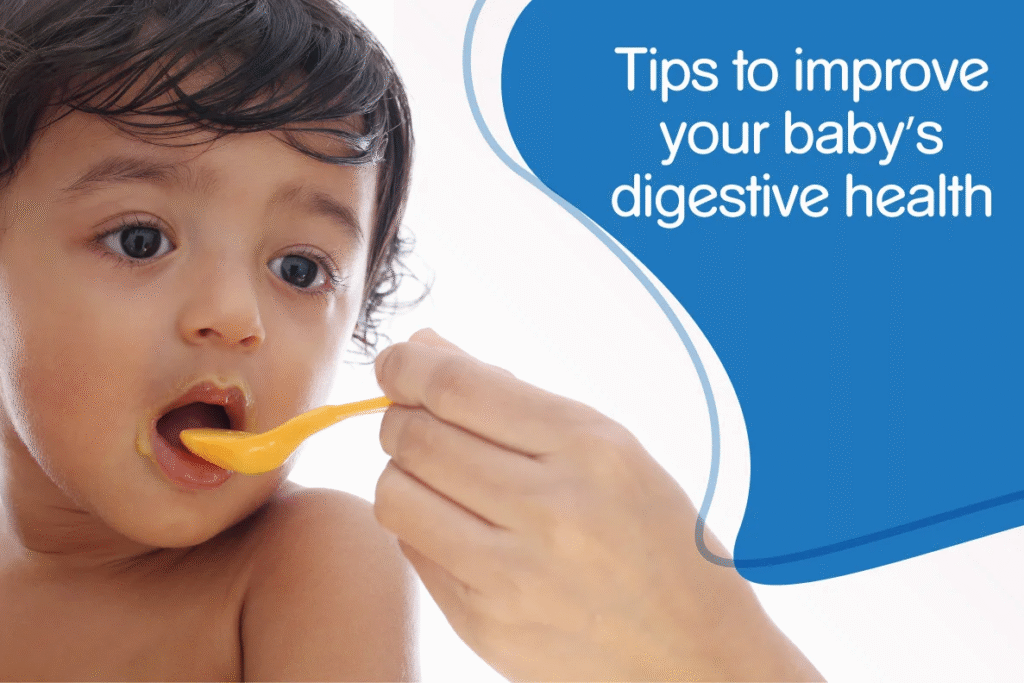
The first few months and years of a baby’s life lay the foundation for a lifetime of health. While we often focus on physical growth and milestones, one of the most critical but overlooked aspects of baby wellness is gut health.
A healthy gut in babies is not just about digestion. It affects immunity, mood, nutrient absorption, and even brain development. Fortunately, nature offers a variety of gentle, home remedies to
support your baby’s gut health—right from your kitchen, routine, and nurturing hands.
Let’s explore simple, safe, and effective home remedies to ensure your baby’s gut is healthy, happy, and thriving.
1. Breastfeeding – Nature’s Best Probiotic
If you’re breastfeeding, you’re already giving your baby one of the best starts in life.
Why It Works:
Breast milk is rich in prebiotics and probiotics, which help build healthy gut flora. Contains immunoglobulins that support the baby’s immune system. Promotes the growth of beneficial bacteria like Bifidobacteria.
Tip: Exclusively breastfeed for the first 6 months, if possible, and continue along with solids up to 1 year or longer.
2. Introduce Gut-Friendly Foods (After 6 Months)
Once your baby is ready for solids (typically at 6 months), you can start incorporating foods that naturally support the gut.
Probiotic-Rich Foods:
1.Plain Yogurt or Curd: A fantastic natural probiotic. Start with a spoon a day. 2.Buttermilk (diluted and unsalted): Great for digestion. 3.Mild fermented rice water (kanji): Can be introduced in small sips after 6 months.
Prebiotic-Rich Foods:
These feed the good bacteria already present in the gut.
1.Banana (especially ripe): Soft, easy to digest, and rich in inulin (a prebiotic fiber). 2.Steamed Apple: High in pectin, great for digestion. 3.Sweet Potato: Rich in fiber and antioxidants. 4.Oats Porridge: Gentle on the tummy, full of gut-friendly fiber.
Tips: Introduce each food gradually and wait for 3 days before introducing another food.
3. Tummy Massage – The Power of Touch
A simple tummy massage can work wonders for your baby’s digestion and gut health.
How to Do It:
1.Use warm coconut oil or mustard oil. Massage in clockwise circles around the navel. 2.Try “bicycle legs”: Gently move your baby’s legs in a cycling motion to release trapped gas.
Benefits:
1.Relieves constipation and colic. 2.Improves circulation and stimulates digestive organs. 3.Strengthens the parent-baby bond.
4. Keep Baby Hydrated
Hydration plays a key role in digestion and regular bowel movements.
1.Under 6 months: Breast milk or formula is enough. 2.After 6 months: Offer small sips of boiled and cooled water between meals. 3.Include hydrating foods like cucumber puree, watermelon (strained), and barley water.
Precautions: Avoid juices or sugary drinks as they can upset the delicate gut balance.
5. Safe Herbal Waters (Only After 6 Months)
Some traditional remedies, when used cautiously, can be gentle and effective for gut health and digestion.
Examples:
1.Ajwain (carom seeds) water: Boil 1/2 tsp of carom seeds in a cup of water, cool and strain. Offer 1–2 tsp to baby. 2.Cumin (jeera) water: Aids digestion and prevents bloating. 3.Fennel (saunf) water: Known to reduce colic and gass.
Precautions: Use only occasionally and after pediatrician’s advice. Always test for allergies.
6. Promote Healthy Poop Patterns
A baby who poops regularly is likely digesting well and building a balanced gut flora.
Home Remedies:
1.Prune Puree: Natural laxative, great for constipation. 2.Papaya: Gentle on the tummy and helps bowel movement. 3.Pear Puree: High in fiber and soothing for the gut.
Gentle movement and tummy time also help stimulate digestion and encourage regular pooping.
7. Hygiene Matters
While building good bacteria is the goal, we must keep bad bacteria out.
1.Sterilize feeding bottles, spoons, and toys regularly. 2.Wash your hands and baby’s hands often. 3.Avoid overuse of antibiotics unless necessary—they wipe out both good and bad gut bacteria.
If your baby needs antibiotics, ask your doctor about probiotics to restore gut balance.
8. Emotional Connection & Calm Environment
Surprisingly, stress and emotional discomfort—even in babies—can disturb gut function.
1.Practice skin-to-skin contact, especially during feeding. 2.Cuddle, talk, and smile often—this supports brain-gut communication. 3.A calm, predictable environment helps your baby’s nervous system (and gut) function better
A gut is sometimes called the ”second brain” a happy baby means a happy gut.
Things to avoid
Some common practices may disrupt your baby’s gut health 1. 1. 1.Honey before age 1 can risk botulism. 2. Cow’s milk before age 1 is hard to digest. 3. Avoid sugary foods and drinks. 4. Don’t give artificial or heavily processed baby foods. 5. Don’t overuse gripe water or digestive syrups.
Baby Gut Health Routine :
Time Activity Gut Benefit
Morning Warm massage + tummy time Stimulates digestion
Breakfast Mashed banana / oats / yogurt Nourishes gut flora
Mid-morning Sips of water / fennel water (if needed) Hydration, soothes digestion
Lunch Steamed veggies / curd rice Balanced pre- and probiotics
Evening Cuddles and playtime Reduces stress, supports gut-brain axis
Before bed Breastfeed / formula + burping Comforts tummy, prevents colic
Final Thoughts: Trust Nature, Trust Your Instincts
Caring for your baby’s gut is not about expensive supplements or fancy foods. It’s about consistency, love, gentle foods, and natural rhythms. Small daily practices like offering probiotic foods, massaging the tummy, or keeping your baby hydrated make a big difference over time.
By supporting your baby’s digestive health from the start, you’re nurturing a strong foundation for growth, immunity, and overall well-being.