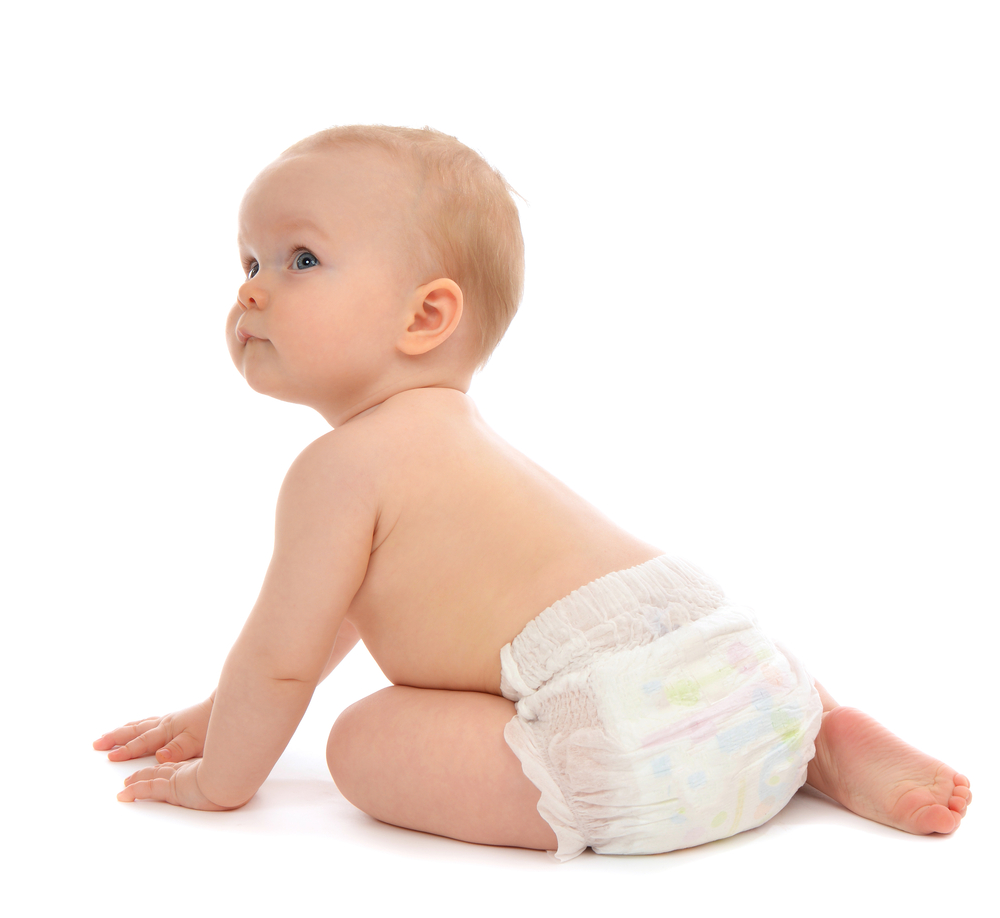
As any parent or caregiver quickly learns, diaper rash is one of the most common skin issues in infancy. While generally not serious, it can cause discomfort for your baby and concern for you. Understanding what causes diaper rash, how to prevent it, and the most effective treatments can go a long way in keeping your baby comfortable and healthy.
Common Causes of Diaper Rash
Diaper rash can result from a variety of factors, including:
1. Prolonged Exposure to Moisture
The most common cause is contact with urine or stool for too long. Even the most absorbent diaper can only hold so much. When moisture is trapped against the skin, it can break down the protective barrier and lead to irritation.
2. Friction
Tight-fitting diapers or rubbing from the diaper’s material can irritate sensitive baby skin, especially if the baby is moving around a lot.
3. Irritants in Products
Baby wipes, diapers with fragrances, laundry detergents (for cloth diapers), and even some creams or lotions may contain chemicals that irritate your baby’s skin.
4. Introduction of New Foods
When babies start solid foods, their stool changes in composition and frequency, which can increase the risk of diaper rash.
5. Antibiotic Use
Babies taking antibiotics—or breastfeeding from a mother on antibiotics—may have changes in the natural balance of bacteria, increasing the chance of diaper rash or even a yeast infection.
6. Yeast or Bacterial Infections
Sometimes, a diaper rash becomes infected. Yeast infections tend to appear bright red with raised edges and may spread beyond the diaper area. Bacterial infections, often caused by Staph or Strep, can present as oozing, crusting, or pus-filled sores.
Signs and Symptoms
Recognizing diaper rash early allows you to treat it quickly. Common signs include:
- Recognizing diaper rash early allows you to treat it quickly. Common signs include:
- Red or inflamed skin in the diaper area
- Warmth or tenderness around the rash
- Fussiness or discomfort during diaper changes
- Peeling, flaking, or cracked skin
- Pustules or blisters (in severe or infected cases)
- If your baby seems unusually uncomfortable or the rash worsens quickly, it might be a sign of infection and should be evaluated by a pediatrician.
Prevention: The Best Medicine
The good news is that most diaper rashes can be prevented with a few simple habits.
1. Change Diapers Frequently
Change your baby’s diaper as soon as it’s wet or soiled. The less time moisture is in contact with the skin, the lower the chance of rash.
2. Allow Airflow
Give your baby some diaper-free time each day. Letting their bottom air out helps keep the area dry and gives the skin time to heal.
3. Use Barrier Creams
Zinc oxide and petroleum jelly are common ingredients in diaper creams that create a protective barrier between the skin and moisture.
4. Choose Diapers Wisely
Some babies are more sensitive to certain brands. Try fragrance-free, hypoallergenic diapers, or consider cloth diapers if commercial brands cause irritation.
5. Be Gentle During Cleanups
Use soft, unscented wipes or a warm cloth with water. Avoid rubbing the skin. Pat it dry instead.
Effective Treatment Options
If your baby already has a diaper rash, here are some steps to help heal it quickly:
1. Keep It Dry and Clean
This is the single most important step. Change diapers often and ensure the skin is clean and dry before applying any cream.
2. Apply Healing Creams
Over-the-counter options like Desitin, Boudreaux’s Butt Paste, or A&D Ointment can help soothe and protect the skin. Look for ingredients like zinc oxide, lanolin, or calendula.
3. Avoid Irritating Products
Switch to unscented wipes or just use plain water during cleanups. Temporarily stop using any new soaps, lotions, or detergents.
4. Use Antifungal Creams (for Yeast)
If the rash is persistent, bright red, or has satellite spots (small red dots around the main rash), it might be a yeast infection. Over-the-counter antifungal creams like clotrimazole can help, but always check with your pediatrician first.
5. Consult Your Doctor
If the rash doesn’t improve after 2–3 days of home treatment, or if it worsens, consult your pediatrician. You may need a prescription-strength cream or antibiotic treatment.
When to Seek Medical Help
Sometimes diaper rash needs more than home care. Contact your doctor if:
- The rash is severe, with open sores or blisters
- There is pus or oozing fluid
- Your baby has a fever
- The rash spreads beyond the diaper area
- It lasts longer than 3 days with no signs of improvement
Cloth vs. Disposable Diapers: Which Is Better?
Both have pros and cons when it comes to diaper rash. Cloth diapers allow more airflow and contain fewer chemicals, but they require more frequent changing. Disposable diapers are more absorbent and convenient, but some babies may react to the materials used.
The best choice depends on your baby’s skin sensitivity and your ability to manage frequent changes. Whichever you choose, cleanliness and quick changes are key.
Final Thoughts
Diaper rash is a nearly universal part of raising a baby, but with proper care, it doesn’t have to be a major headache. A combination of prevention, gentle skin care, and knowing when to seek help will keep your little one happy and rash-free.
Remember, every baby is different—what works for one might not work for another. Be patient, and don’t hesitate to ask your pediatrician for guidance if you’re concerned.
Quick Tips Recap:
- Change diapers frequently
- Let the area air out daily
- Use barrier creams preventively
- Avoid scented products
- Watch for signs of infection
A happy bottom makes for a happy baby—and a happy parent too!